


Tongue Ties
Lip Ties
“Mild Ties”
Conflicting Opinions
let our expertise help you unwind it

Conflicting Opinions
IBCLCs receive minimal training on tongue ties and lip ties when they earn their credentials. Which leads to a lot of IBCLCs knowing the basics…and not much more.
Pediatricians, Midwives, OBs? Arguably less training than the new-grad IBCLCs.
Doulas? Likely just their lived experiences.
Ties and oral function are complex. The are NOT about looks or just a baby who has symptoms of ties.
Having a release when it isn’t actually needed, or when your baby is not ready? Often leads to a lot more tears.
If you and your baby are having symptoms of ties? Or you are confused about “is it, is it not?” and don’t feel like anyone is answering the question with evidence-based, custom to your baby and feeding? You’re in the right place.
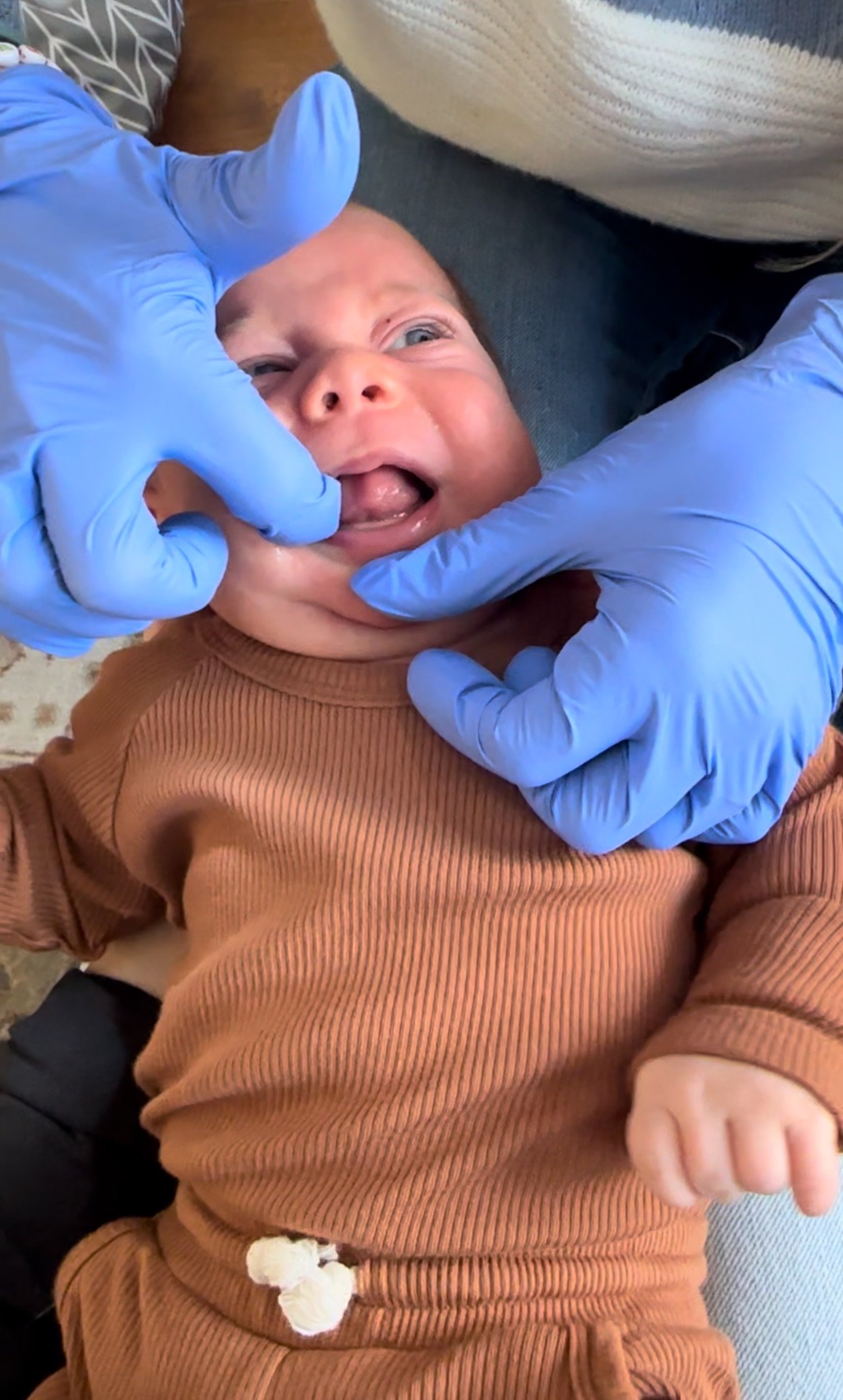
How your baby is using their lips, cheeks and tongue when feeding
If your baby understands HOW to suck or if they’re just living on a hope and prayer
Whole body tension & birth trauma that can mirror a tie
The symptoms BOTH you & your baby are feeling
before we ever make a recommendation
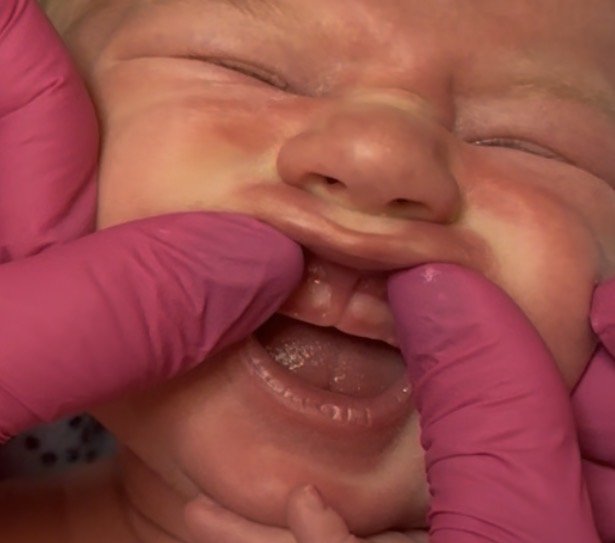
Portion of oral feeding mechanics exam
IBCLCs (or any other lactation credential) do NOT diagnose ties. We evaluate feeding mechanics, range of motion and support optimal oral function.
HOW WE APPROACH TIES
You and your baby are unique; your care should be too.
We focus on full-body, full-feeding experiences. We take a look at the WHOLE PICTURE and zoom out just a bit further than that.
Functional feeding evaluation is always the first step.
We actually don’t care how the tongue tie “looks” - we care how the body acts.
Just a peek never tells the story.
At Motherhood Untamed, we are going to look at:
Tongue tie surgery should never be the first suggestion.
we believe that evaluation and management of oral dysfunction and potential ties should include

A thorough evaluation of feeding - no “latch looks good!” around here. At breast and/or bottle we look for comfort, milk transfer, endurance, coordination and ease.

Assessing and addressing how your baby is using their body to feed. The tension that they might hold from the womb and their birth experience. Body tension can mirror ties.

Curating a custom care plan informed with our evaluation that fits your family’s goals, your baby’s needs and feels good to you.
Working in the timing and way that you choose.
we collaborate with your healthcare team - and refer you to the specialists that can support your goals
Recommended Education for Providers
this is just a fraction of the education I wish every provider treating families would have
Dr. Ghaheri’s Untying Ankyloglossia: The Impact of Tongue Tie on
This course is the culmination of his experience of almost 13 years in the field and the treatment of more than 15,000 babies. With 100 new research papers to help explain the scientific basis of this topic, coupled with a new module on why there is such a discrepancy between the different groups of professionals involved in this field.
Luna Lactation Tongue and Lip Tie: A Comprehensive Approach to Assessment & Care
This course will provide clinical assessment and care strategies. This course will review the available evidence around ankyloglossia and related procedures. This module is designed to meet the needs of anyone who clinically assesses infants, works with feeding issues, and/or provides lactation and infant feeding care.
Dr. Richard Baxter’s Tongue Tied Academy
Dr. Richard Baxter is a board-certified pediatric dentist and Diplomate of the American Board of Laser Surgery who has performed about 17,000 tongue- and lip-tie procedures. He is an internationally recognized speaker on tongue-ties and author of the best-selling book, Tongue-Tied: How a Tiny String Under the Tongue Impacts Nursing, Speech, Feeding, and More.